The Holocaust was one of the darkest chapters in human history. It refers to the systematic, state-sponsored persecution and murder of six million Jews by Nazi Germany and its collaborators between 1933 and 1945. Alongside Jewish victims, millions of others were also targeted, including Roma (Gypsies), people with disabilities, Poles, Slavic peoples, political dissidents, and others deemed “undesirable” by the Nazi regime.
Understanding the Holocaust is essential not only to honor the victims, but also to recognize the dangers of hatred, racism, and unchecked power.
What Was the Holocaust?
The word Holocaust comes from the Greek term holokauston, meaning “burnt offering.” In modern history, it specifically describes the genocide carried out by Nazi Germany during World War II.
The Holocaust was not a spontaneous outbreak of violence. It was a carefully planned and bureaucratically organized campaign that used laws, propaganda, forced labor, mass shootings, ghettos, and extermination camps to eliminate entire populations.
Historical Background
Rise of Nazi Ideology
After World War I, Germany faced economic hardship, political instability, and social unrest. Adolf Hitler and the Nazi Party exploited these conditions, promoting extreme nationalism and antisemitism. Jews were falsely blamed for Germany’s problems, a narrative reinforced through propaganda and discriminatory laws.
Early Persecution
When Hitler became Chancellor in 1933, the Nazis quickly began stripping Jews of their civil rights. The Nuremberg Laws of 1935 legally defined Jews as inferior and excluded them from German society. Jewish businesses were boycotted, professionals were dismissed from jobs, and social isolation intensified.
The Holocaust During World War II
Ghettos
As Nazi Germany expanded across Europe, Jewish populations were forced into overcrowded ghettos, particularly in Eastern Europe. These areas were sealed off, with severe shortages of food, medicine, and basic necessities. Disease and starvation were widespread.
Mass Killings
Mobile killing units known as Einsatzgruppen followed the German army into occupied territories, executing Jews and other targeted groups in mass shootings. Entire communities were wiped out in forests, ravines, and open fields.
Concentration and Extermination Camps
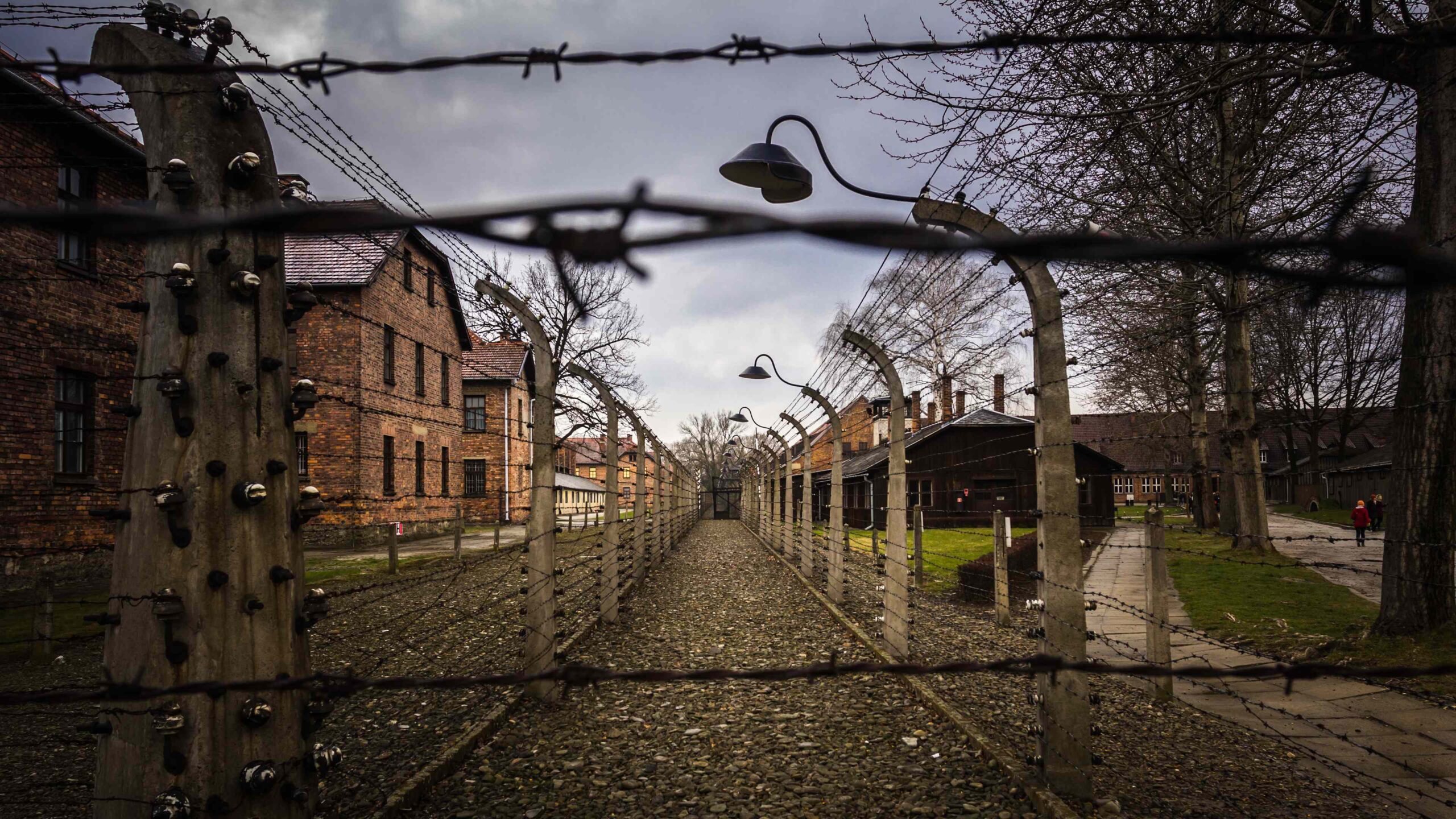
The most infamous aspect of the Holocaust was the network of camps, including Auschwitz-Birkenau, Treblinka, Sobibor, and Majdanek. Some camps were used for forced labor, while others were designed solely for mass murder using gas chambers.
Who Were the Victims?
Although Jews were the primary targets, the Holocaust affected many groups:
- Six million Jews murdered
- Roma and Sinti communities
- People with disabilities, killed under the Nazi “euthanasia” program
- Polish and Soviet civilians
- Political opponents, including communists and socialists
- Jehovah’s Witnesses
- LGBTQ+ individuals
Each group was persecuted for different ideological reasons, but all were victims of dehumanization and violence.
Resistance and Survival
Despite overwhelming oppression, resistance existed. Jewish uprisings occurred in ghettos and camps, most notably the Warsaw Ghetto Uprising of 1943. Many individuals also resisted by hiding Jews, forging documents, or smuggling food and information.
Survivors endured unimaginable trauma. After liberation in 1945, many had lost families, homes, and entire communities.
Aftermath and Global Impact
War Crimes and Justice
After World War II, Nazi leaders were tried in the Nuremberg Trials, establishing key principles of international law, including crimes against humanity and genocide.
Human Rights Developments
The Holocaust directly influenced the creation of the Universal Declaration of Human Rights in 1948 and shaped modern discussions on genocide prevention, refugee protection, and international justice.
Remembrance and Education
Holocaust remembrance is vital to ensure such atrocities are never repeated. Memorials, museums, and education programs around the world preserve survivor testimonies and historical evidence. Holocaust denial and distortion are widely condemned, as they undermine historical truth and fuel antisemitism.
International Holocaust Remembrance Day is observed annually on January 27, marking the liberation of Auschwitz.
Why the Holocaust Still Matters Today
The Holocaust demonstrates how prejudice, misinformation, and political extremism can lead to catastrophic consequences. Studying it encourages critical thinking, empathy, and vigilance against discrimination in all forms.
Remembering the Holocaust is not only about the past—it is a responsibility toward the future.