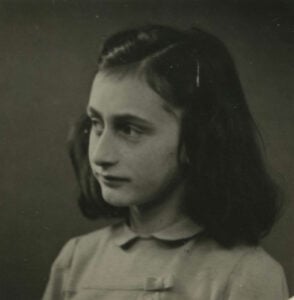
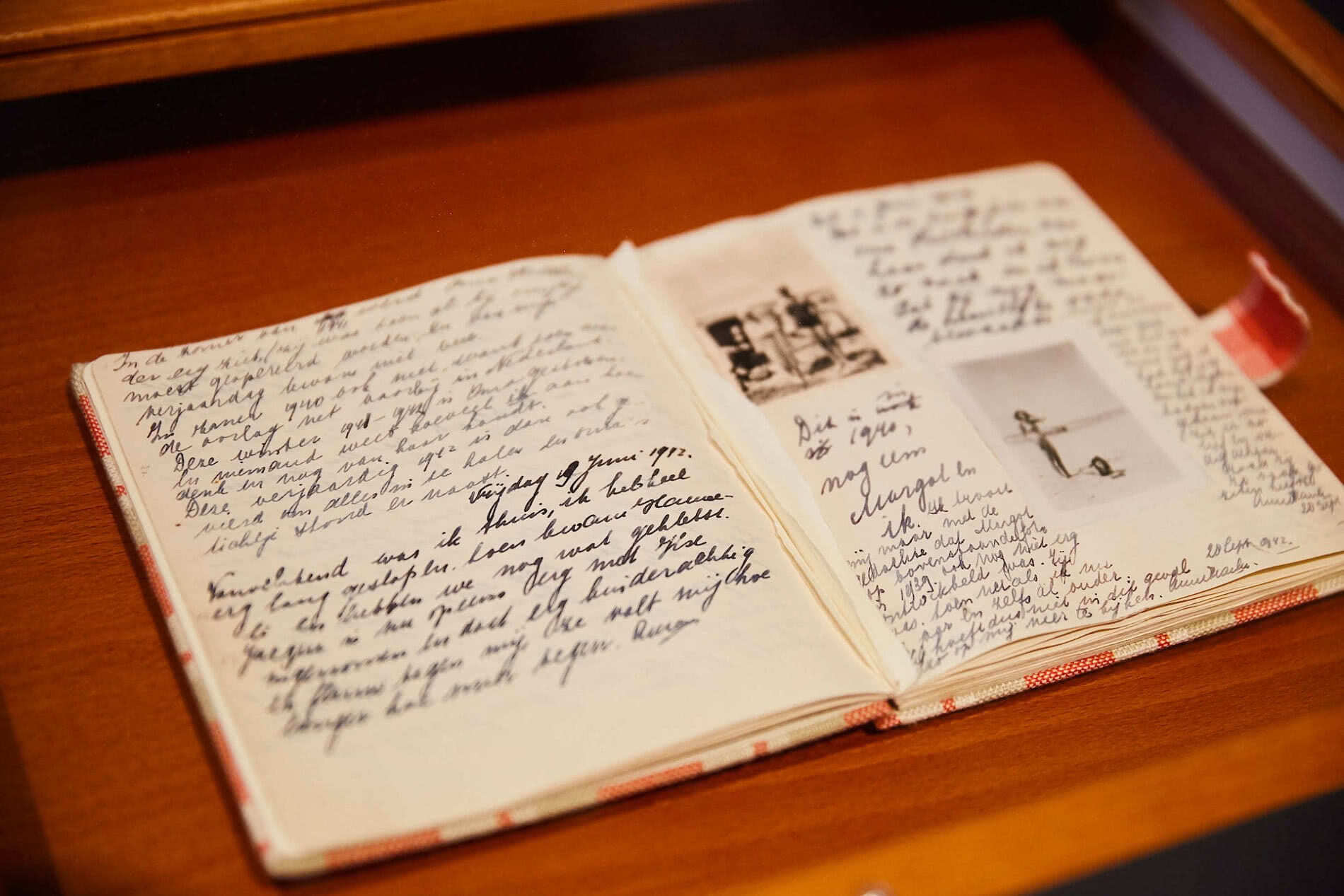
At the height of the diary’s popularity-as The Diary of a Young Girl film arrived in theaters-Holocaust deniers came out in opposition, going as far as to dispute its very authenticity. In 1959, Otto Frank had to defend himself against two Germans, Lothar Stielau and Heinrich Buddeberg, who accused him of forging his daughter’s words. It was only after a court ordered the writings be examined by experts-who deemed them genuine–that the two men finally dropped their baseless case. Still, in 1976, another anti-Semite, Robert Faurisson, reared his head and began distributing pamphlets claiming the diary was fake. Once again, Otto went to court over the matter and won, and Faurisson was banned from further publishing.
Examining the Authenticity of Anne Frank’s Diary
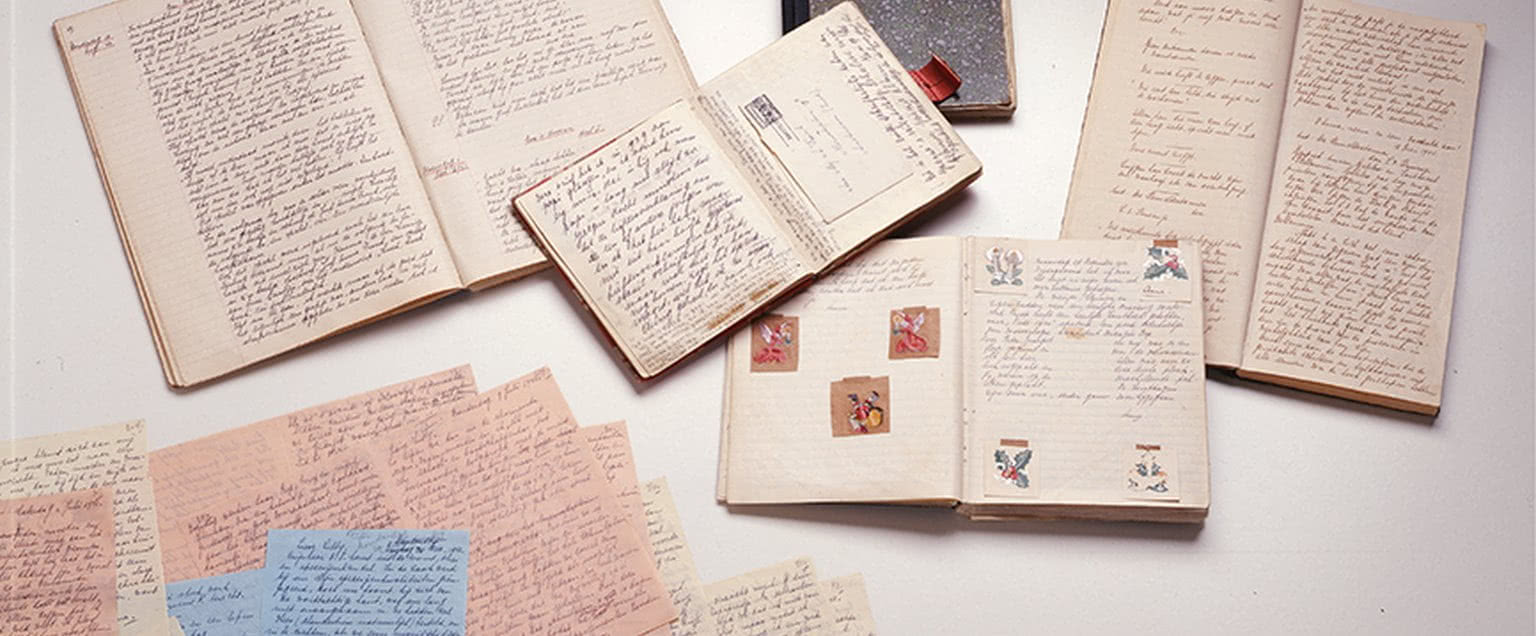
The question of Anne Frank’s diary’s authenticity has followed it for decades, yet overwhelming evidence confirms it is genuine. Multiple lines of proof support this:
Handwriting Analysis: Experts have verified that the handwriting throughout the diaries matches Anne’s known writing samples from her childhood.
Historical Consistency: The diary’s content aligns with corroborated historic events, daily routines, and details remembered by fellow hiders and surviving friends.
Scientific Testing: Forensic tests, including ink and paper analysis by institutions such as the Netherlands Forensic Institute, have established that the materials date from the 1940s—matching the period when Anne was in hiding.
Eyewitness Accounts: Surviving contemporaries, including her father Otto Frank, who preserved and published the diaries, and Miep Gies, who found them, attest to their authenticity.
Hidden Passages Revealed: Technological advances have revealed previously unknown sections, written in Anne’s own hand, further confirming the diary’s layered history.
Taken together, these multiple sources provide a powerful response to any doubts: the diary is an authentic, original account—as compelling in its genuineness as in its words.