Anne Frank’s diary,
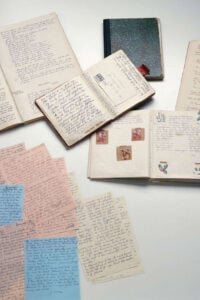
a personal account of her life hiding from Nazis, was a 13th birthday gift, written to her imaginary friend “Kitty,” documenting teenage thoughts and Holocaust realities; published posthumously in 1947 by her father Otto Frank, it became a global phenomenon, translated into dozens of languages, and remains a crucial symbol of Holocaust history.
Key Facts
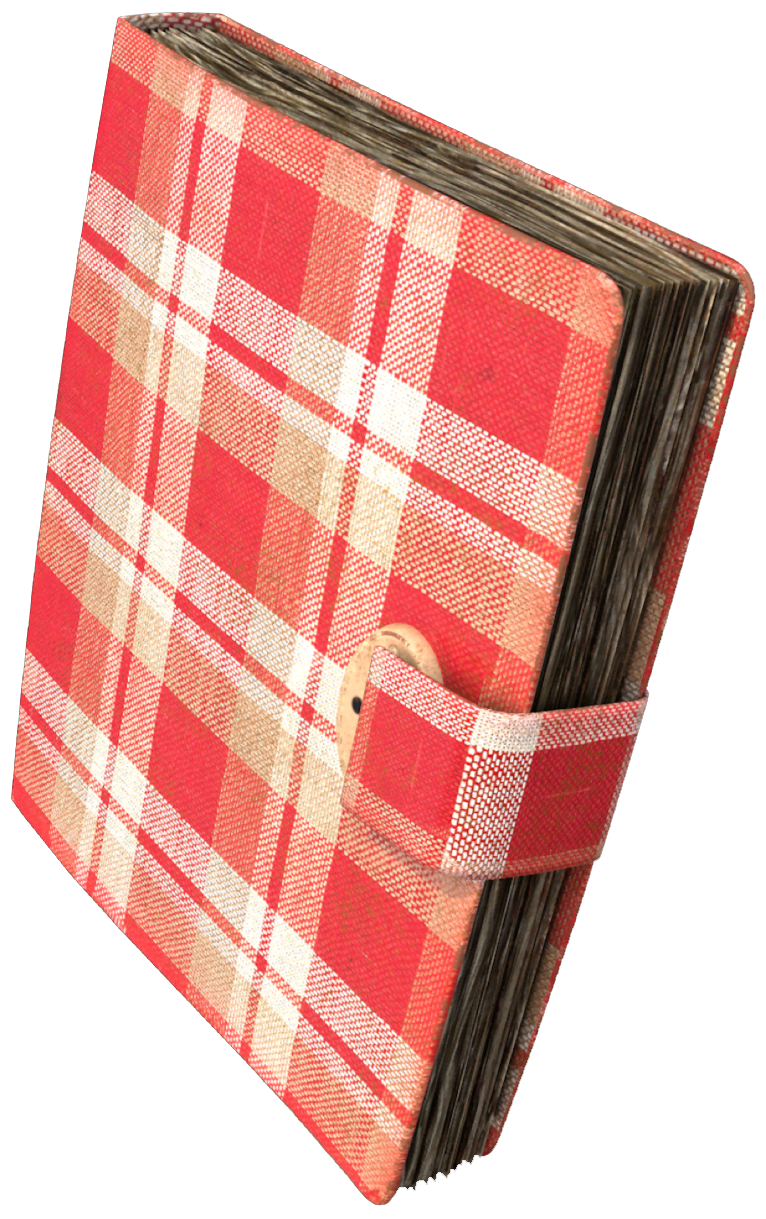
- The Gift: Anne received the diary, actually an autograph book, for her 13th birthday in June 1942.
- “Kitty”: She addressed her entries to a fictional friend named Kitty, making it feel like a conversation.
- Content: It details life in the Secret Annex, her dreams, fears, and observations on war and humanity.
- Two Versions: Anne began editing her diary for publication herself, creating a second version (Version B) alongside her original (Version A).
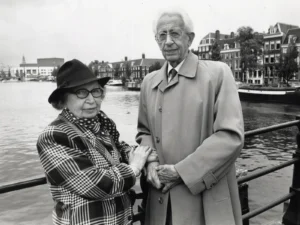
- Discovery & Publication: After her death, helper Miep Gies gave the diary to her father, Otto Frank, who published it in 1947 as Het Achterhuis (The Secret Annex).
- Global Impact: It’s one of the world’s most-read books, translated into over 70 languages, and a powerful Holocaust education tool.
- Symbolism: Anne Frank’s diary symbolizes the millions of lost lives and broken promises during the Holocaust.