
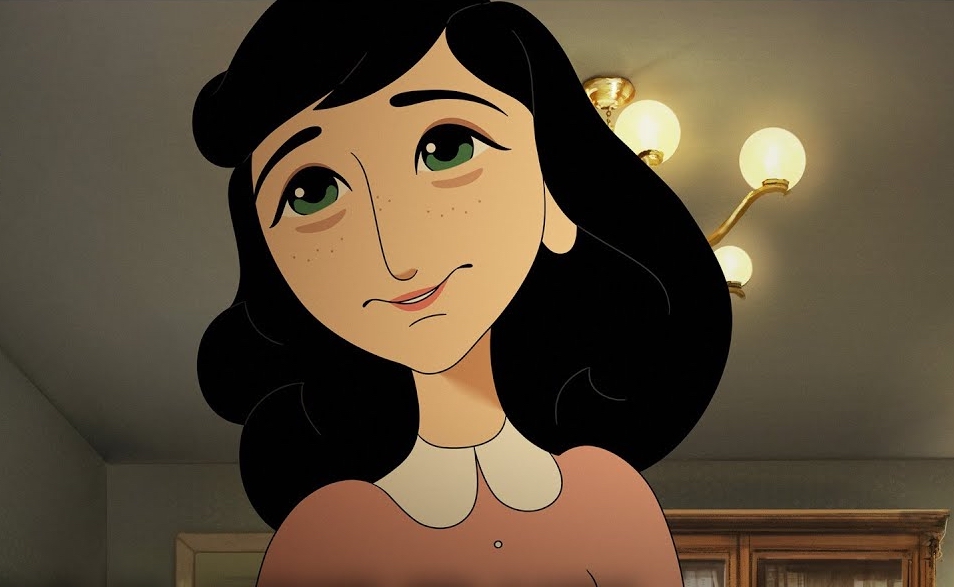
The story of Anne Frank, the young Jewish girl who hid from the Nazis during World War II and whose diary became one of the most poignant symbols of hope and resilience, has been adapted into numerous films over the years. These movies aim to preserve her memory, educate audiences about the Holocaust, and honor the enduring human spirit. Below, we explore some of the most notable Anne Frank movies, providing descriptions and reviews of each.
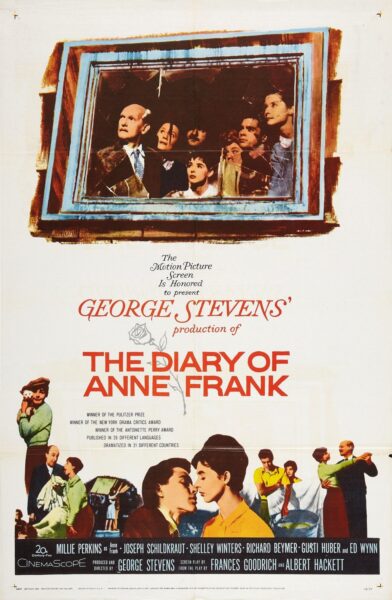
1. The Diary of Anne Frank (1959)
Directed by George Stevens, this classic film adaptation closely follows Anne Frank’s original diary, depicting her life in hiding from 1942 to 1944. The film features a talented cast, including Millie Perkins as Anne and Joseph Schildkraut as Otto Frank. It captures the emotional intensity of Anne’s daily struggles, hopes, and fears. The play was written by Frances Goodrich and Albert Hackett and premiered on Broadway in 1955, earning critical acclaim and the Pulitzer Prize for Drama.
Regarded as a faithful and heartfelt adaptation, The Diary of Anne Frank (1959) is praised for its strong performances and emotional depth. Millie Perkins delivers a compelling portrayal of Anne’s youthful optimism amid dire circumstances. The film’s somber tone and powerful storytelling effectively evoke empathy, making it a timeless reminder of the horrors of prejudice and the resilience of the human spirit.
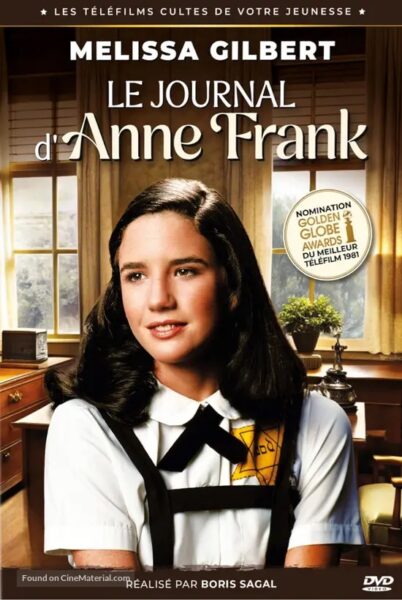
2. The Diary of Anne Frank (1980)
This made-for-TV movie, directed by George Stevens Jr., revisits Anne’s story with a focus on her personal growth and the relationships within the Secret Annex. It features a cast of young actors portraying the Frank family and their acquaintances.
It captures the tension, hope, and despair of those times, highlighting themes of innocence, resilience, and the human spirit amidst the horrors of war. The film is known for its heartfelt performances and faithful representation of Anne Frank’s personal writings.
While not as widely acclaimed as the 1959 version, this adaptation is appreciated for its intimate approach and detailed portrayal of life in hiding. The performances are sincere, and the film offers a more nuanced look at the psychological impact of their circumstances. It serves as an accessible version for educational settings, emphasizing the importance of tolerance and understanding.
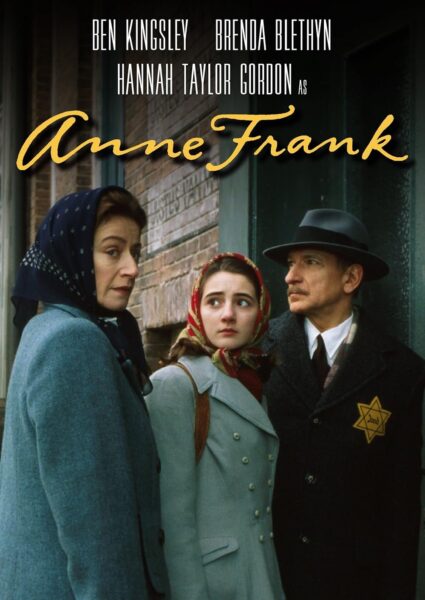
3. Anne Frank: The Whole Story (2001)
A miniseries rather than a film, this detailed adaptation chronicles Anne’s life from her early childhood through her time in hiding and her subsequent death. It delves into her family history, the rise of Nazism, and the post-war discovery of her diary.
It offers a sensitive and detailed portrayal of Anne’s personality, hopes, and dreams, as well as the harrowing circumstances of life in hiding. The movie emphasizes themes of resilience, hope, and the enduring human spirit amidst unimaginable adversity. It features strong performances, particularly by the actress playing Anne, and aims to educate viewers about the historical context and personal story behind the famous diary.
This comprehensive series is praised for its depth and historical accuracy. It provides context about the political climate and personal backgrounds, making it educational and emotionally impactful. The performances bring depth to Anne’s character, highlighting her growth from a curious girl to a resilient young woman. It’s considered one of the most thorough portrayals of her life.

4. Anne Frank (2016)
A recent theatrical adaptation directed by Ari Folman, this film takes a more artistic and experimental approach, blending animation with live-action to tell Anne’s story. It emphasizes her inner world, dreams, and fears.
The movie explores Anne’s experiences hiding from the Nazis in the Secret Annex in Amsterdam, her hopes, fears, and dreams, as well as the struggles faced by her and her family during their clandestine existence. It aims to bring to life Anne’s story, emphasizing themes of resilience, hope, and the human spirit in the face of unimaginable adversity.
This innovative take received mixed reviews—some praising its visual creativity and emotional honesty, while others felt it lacked the raw power of earlier adaptations. Nonetheless, it offers a fresh perspective on Anne’s story, making her experiences accessible to new generations through a unique artistic lens.
Each adaptation of Anne Frank’s story offers a different perspective, from traditional faithful renditions to innovative artistic interpretations. While they vary in style and depth, all serve the vital purpose of memorializing Anne’s life and the atrocities of the Holocaust. These films remind us of the importance of tolerance, humanity, and the enduring hope for a better world.